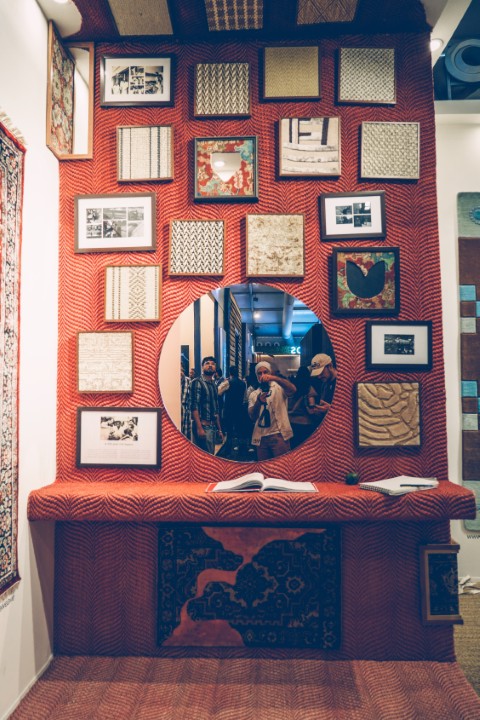
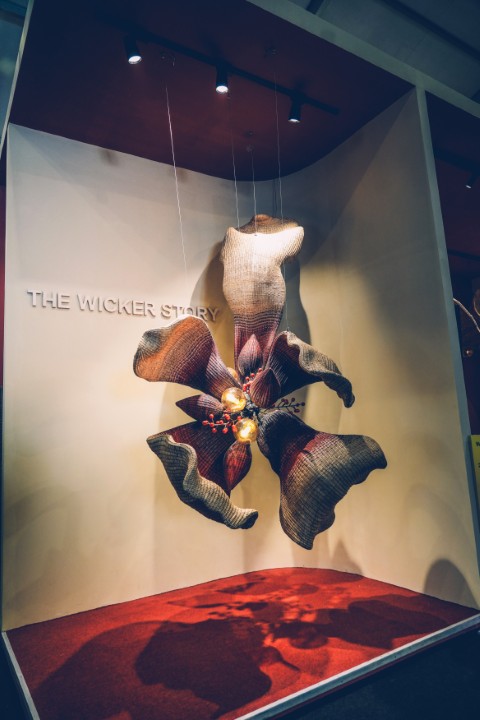
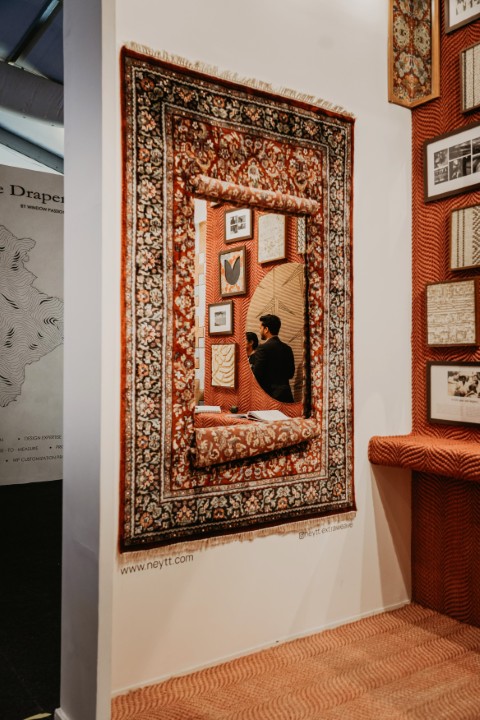
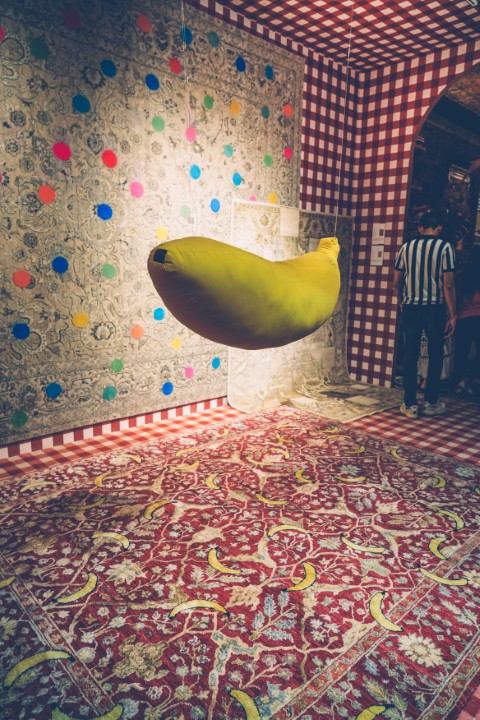
Walking through this year’s India Design (ID) Expo in Delhi, one idea kept surfacing in booth after booth: syncretism. It’s a word that sounds overly intellectual, maybe even a little dusty, but here it felt completely alive. Syncretism is the blending of traditions, cultures, and eras into something new. At the expo it wasn’t framed as a theory or manifesto. It’s how design seems to unfold here.
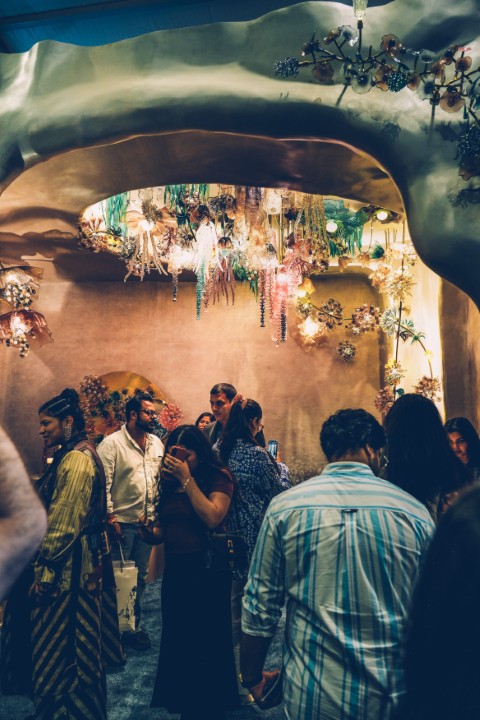
Furniture, lighting, textiles, and interiors all carried India’s long design memory while standing firmly in the present. Objects seemed to pull from the past in surprisingly fresh, fun, unpredictable ways.
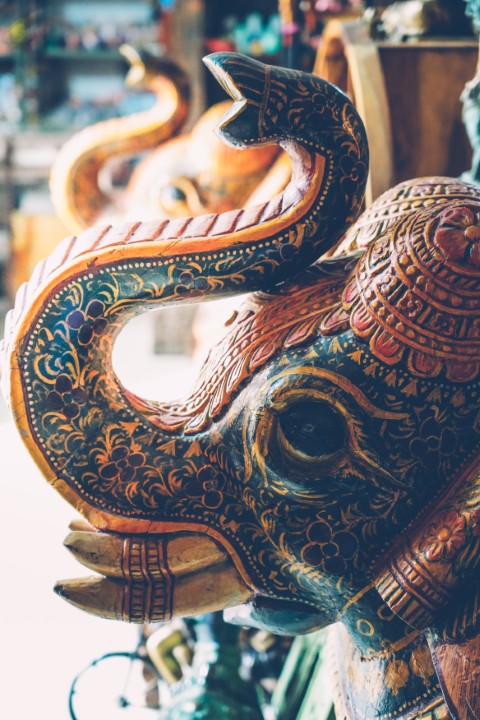
Designers moved between centuries. Carved stone tables, hammered brass lighting, and intricate woven textiles all hinted at ancient craft traditions. Yet their style and design language were unmistakably modern. Forget preserving history under glass. Put it back into circulation.
Where Centuries Share the Same Design Table
HISTORIC INDIAN ARTISTRY
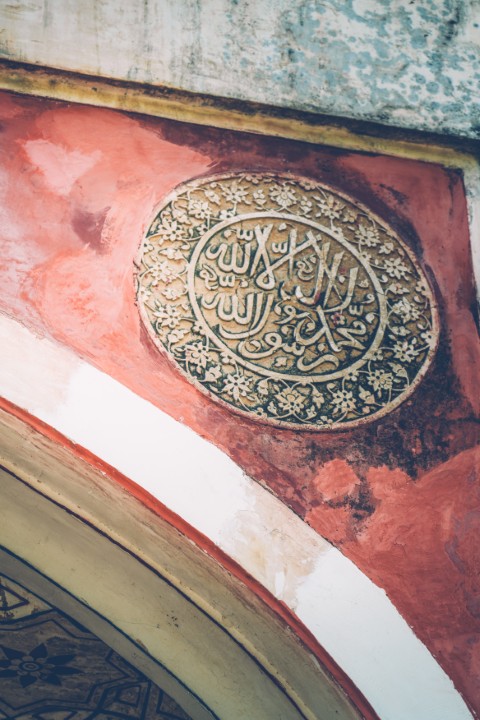
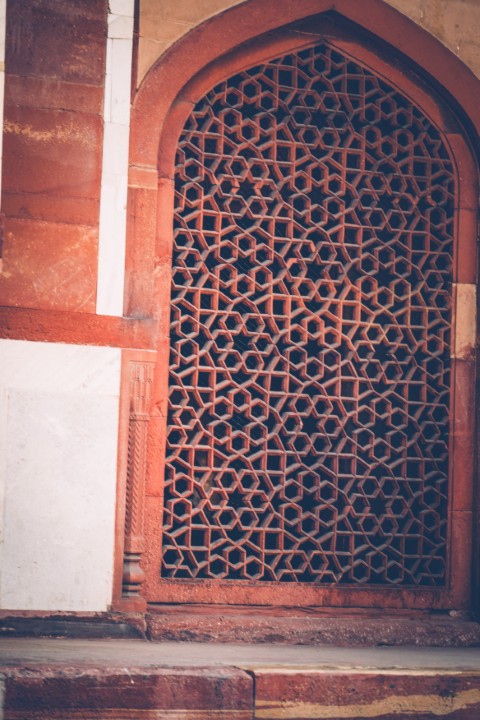
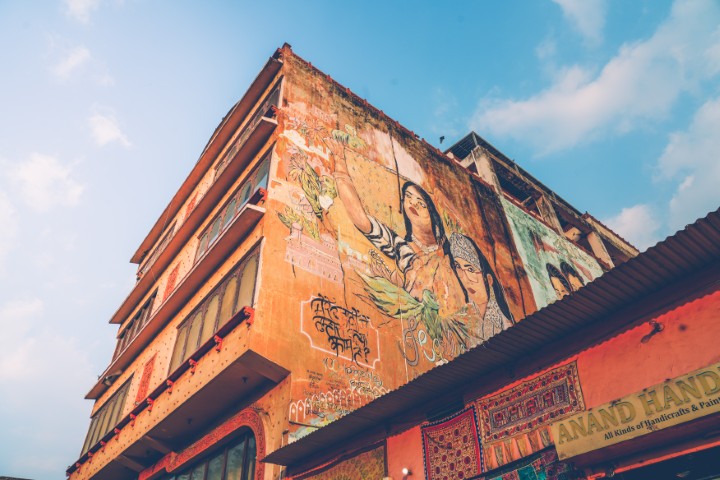
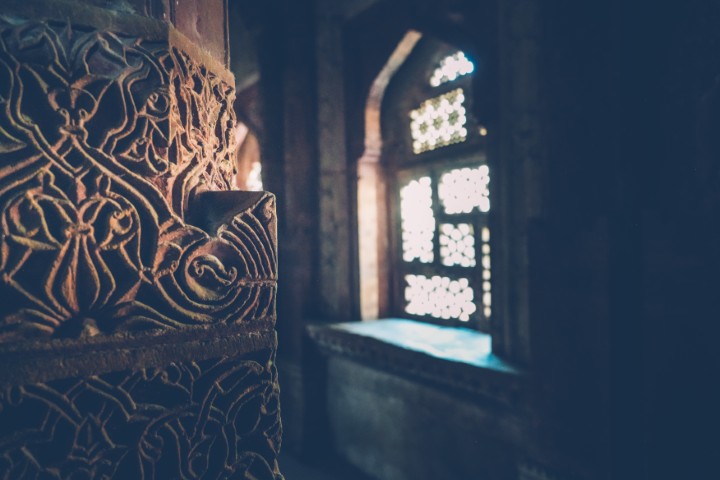
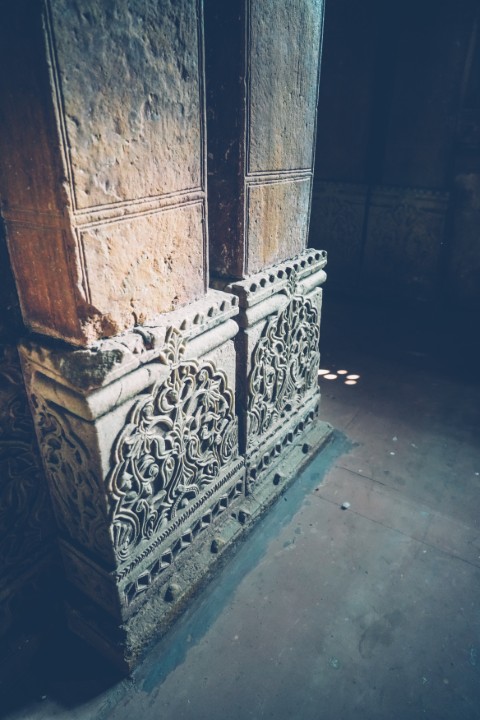
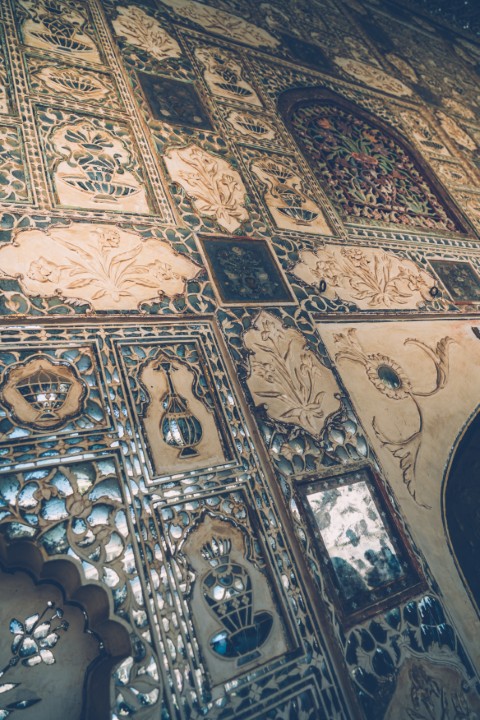
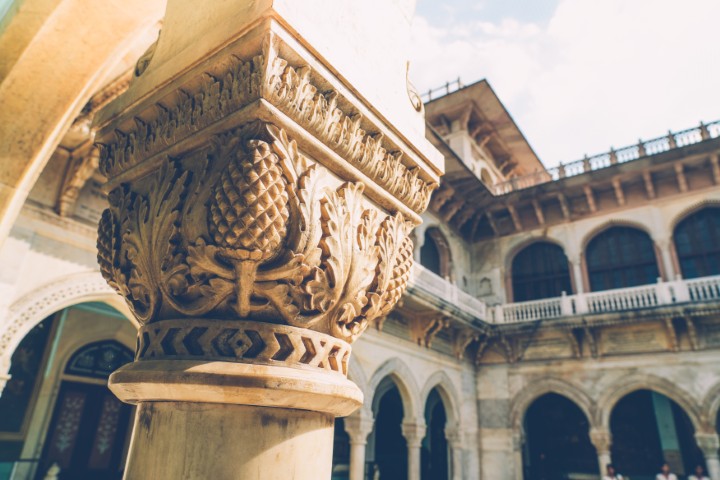
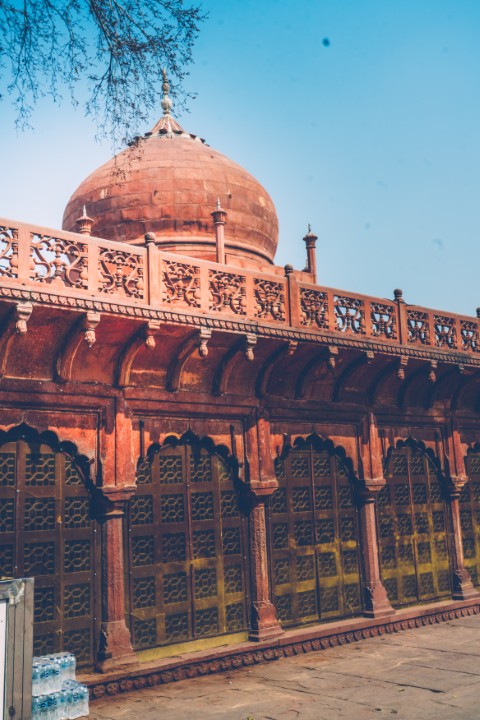
It helps to zoom out and look at India’s architecture. The country has spent centuries layering visual cultures rather than replacing them. Hindu temple architecture developed unique ornamentation, symbolic geometry, and narrative carvings. Later, Islamic influences introduced by the Mughal empire brought sweeping arches, symmetrical planning, gardens, calligraphy, and the hypnotic latticework known as jali.
These traditions mingled and even danced together. Across India you can find lotus motifs beside Persian geometry, temple carvings sharing space with Mughal arches, and palaces that feel like a two-part design conversation happening in stone. What historians call Indo-Islamic architecture is a long-standing cultural collaboration that produced one of the richest architectural vocabularies in the world.
Once you start noticing this layering, you realize India has been practicing design syncretism for centuries.
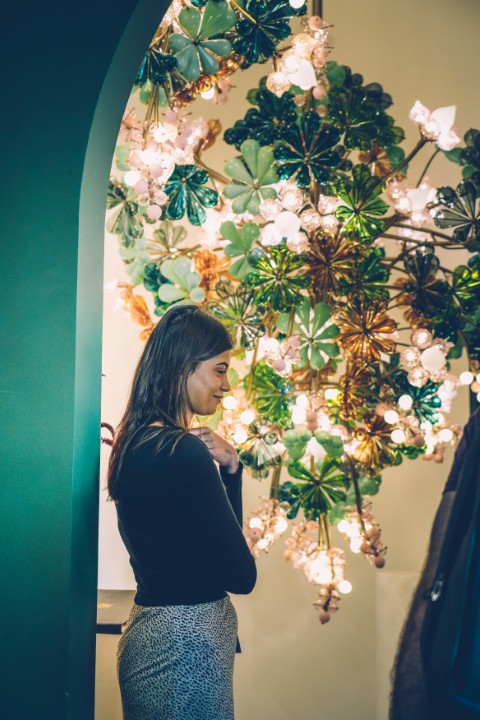
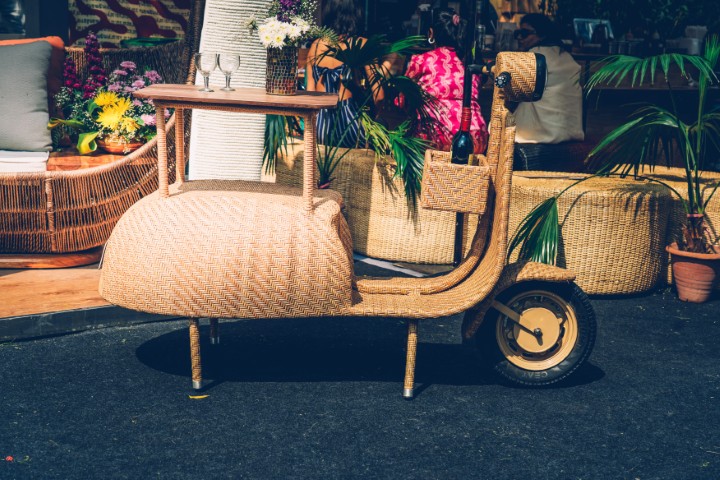
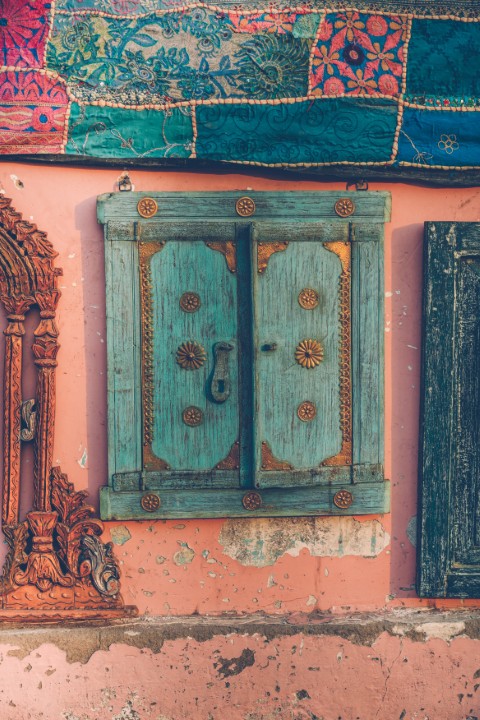
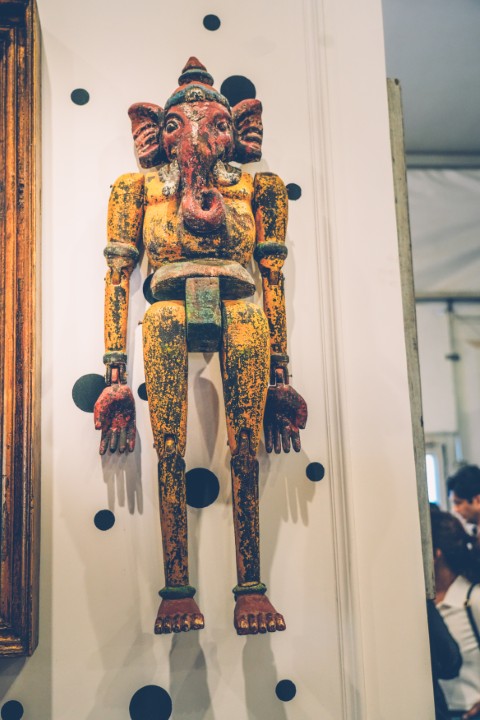
That heritage showed up everywhere at ID Expo, but not in a predictable way. Designers were pulling threads from tradition and weaving them into objects that felt unmistakably contemporary. Even daring and irreverent.
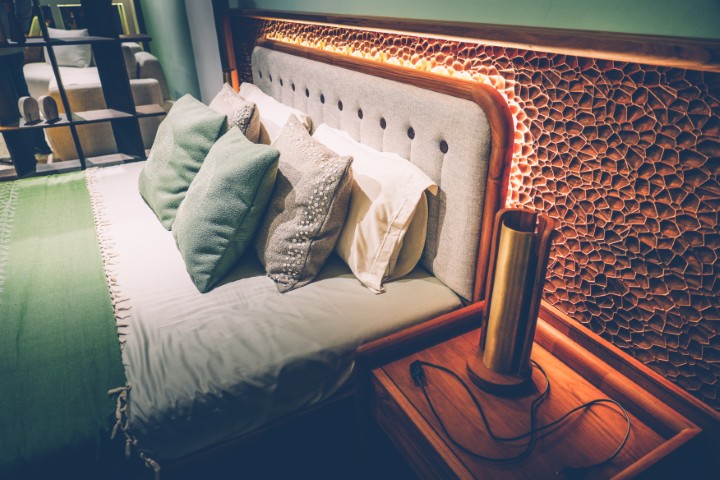
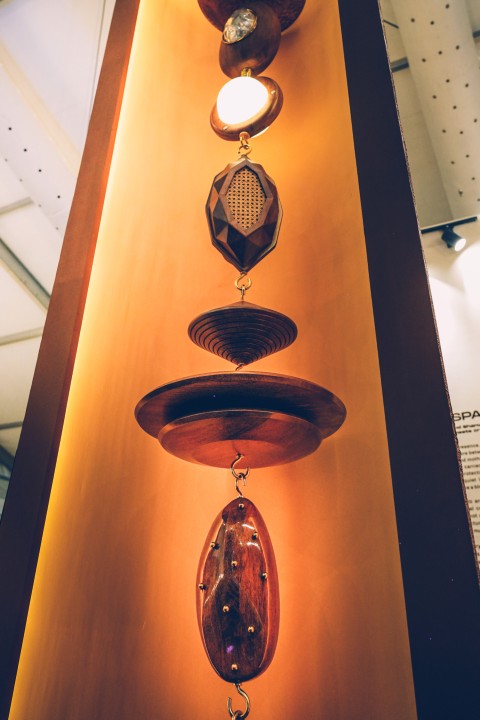
Stone, marble, wood, and brass appeared again and again, used with pride and confidence. Many pieces echoed the geometry of temples or Mughal architecture, translated into lighting fixtures, furniture silhouettes, or architectural screens.
The effect was both elegant and a little mischievous. You could sense designers enjoying the freedom to reinterpret history rather than simply preserve it.
I realized Syncretism is not really a visual style at all. It is more a design mindset. Instead of asking what the next completely new thing should be, designers seem to ask what might happen if two worlds were allowed to meet.
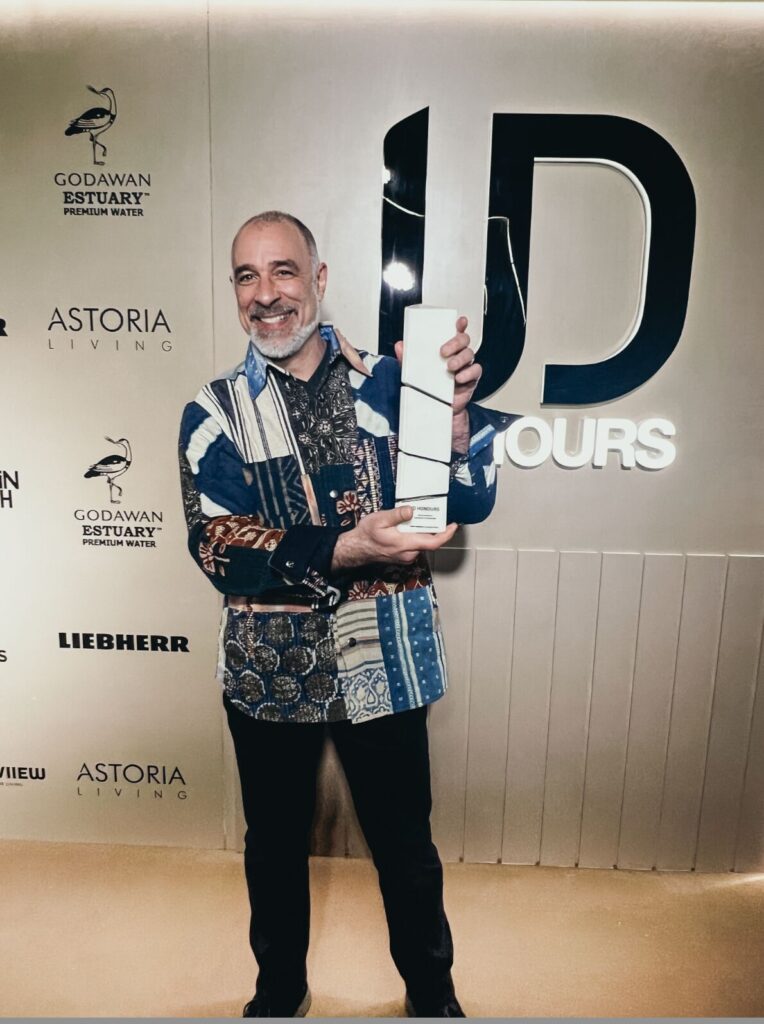
Toward the end of the conference there was a small moment that captured the spirit of the whole experience. An empty stage stood ready for presentations. Standing nearby was a woman with a trophy.
I asked to borrow the trophy, stepped onto the stage, and posed for a photo. In a strange way it felt appropriate and symbolized another example of syncretism. After wandering through a show where designers were so deftly blending history, culture, and modern imagination, the moment captured my excitement and my desire to integrate those design and cultural ideas into Torque’s own work and graphic sensibility. East meets West. History meets future.
In that sense, the real prize of the conference was not a trophy at all. It was the reminder that the most interesting design often happens when cultures, eras, and ideas collide and inspire each other.